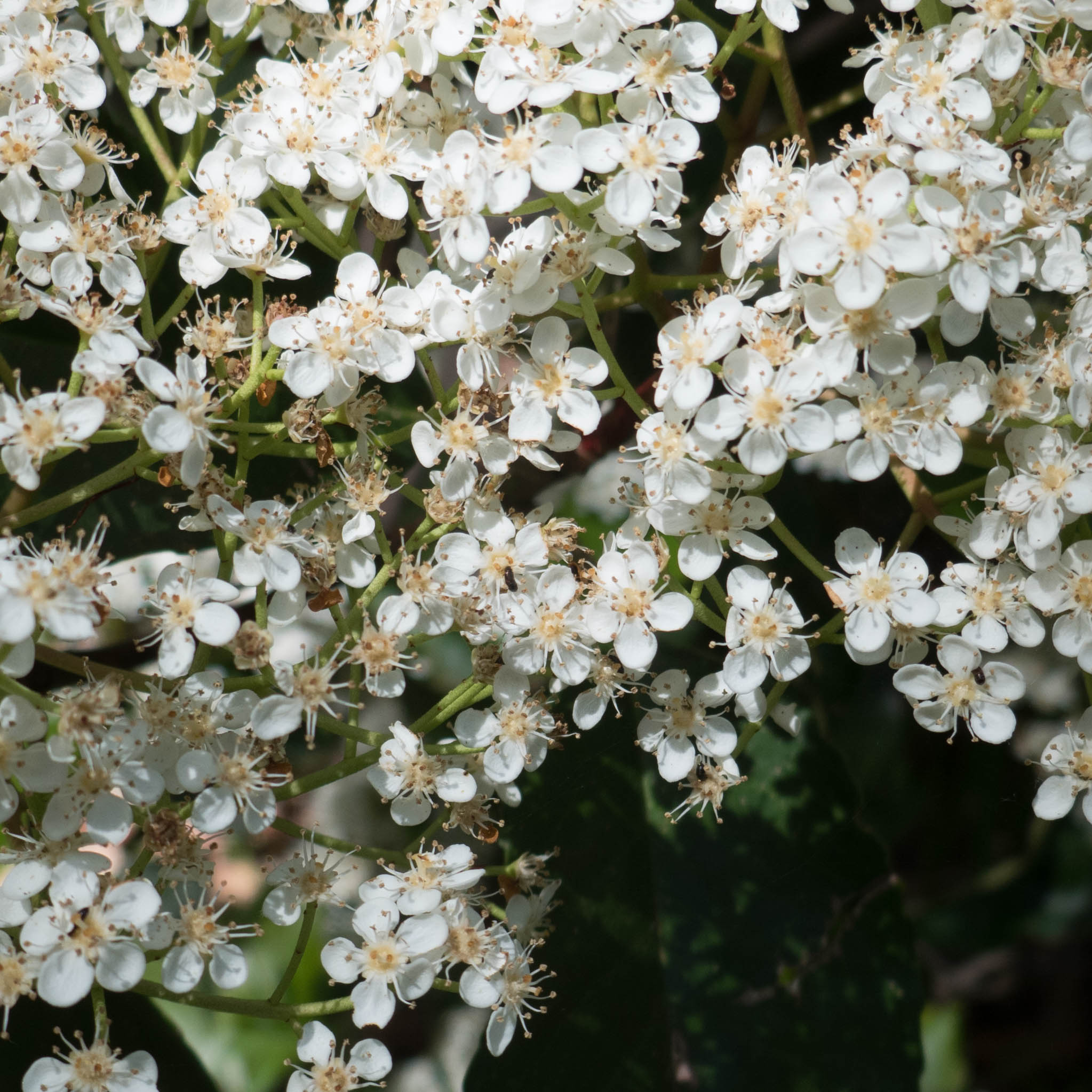
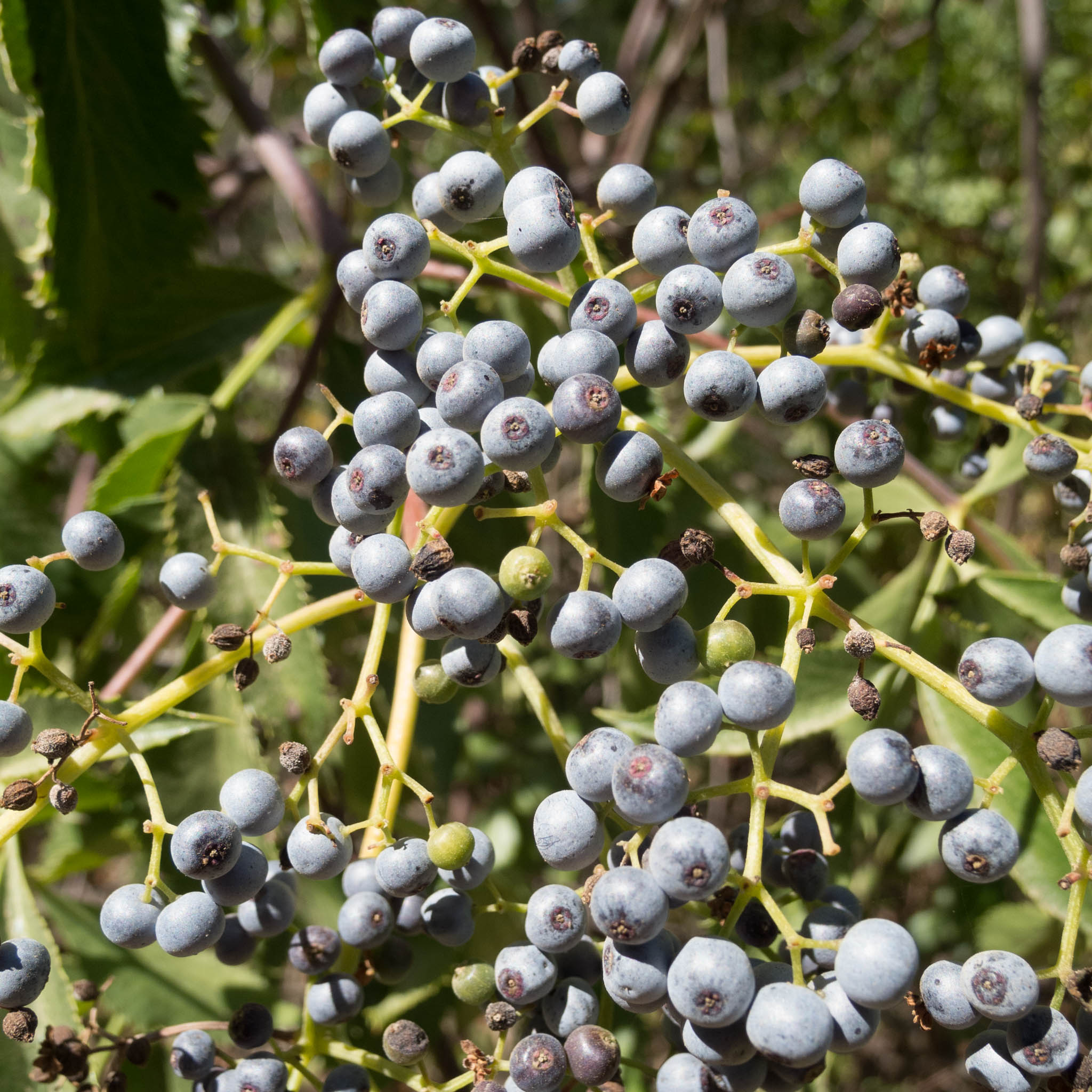
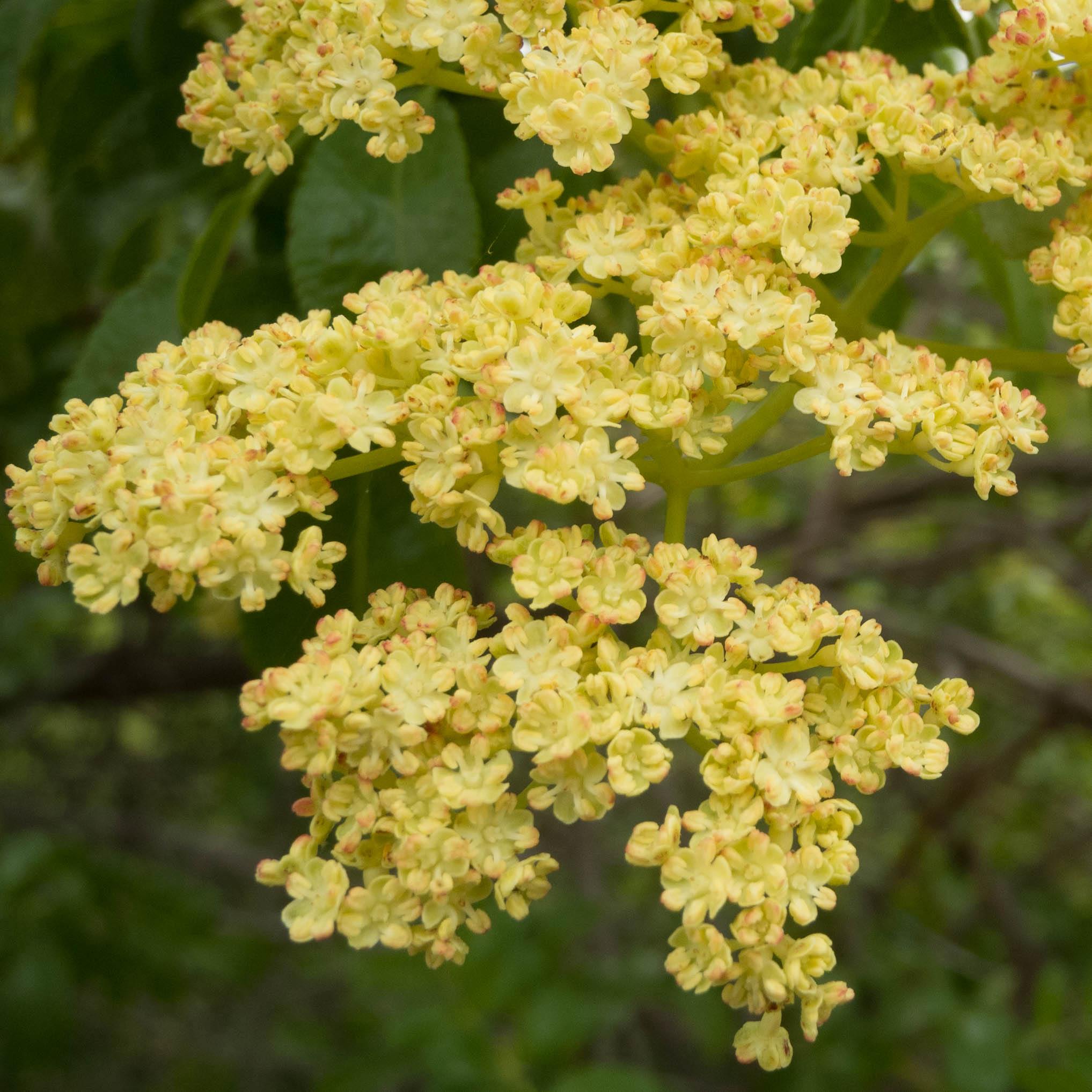
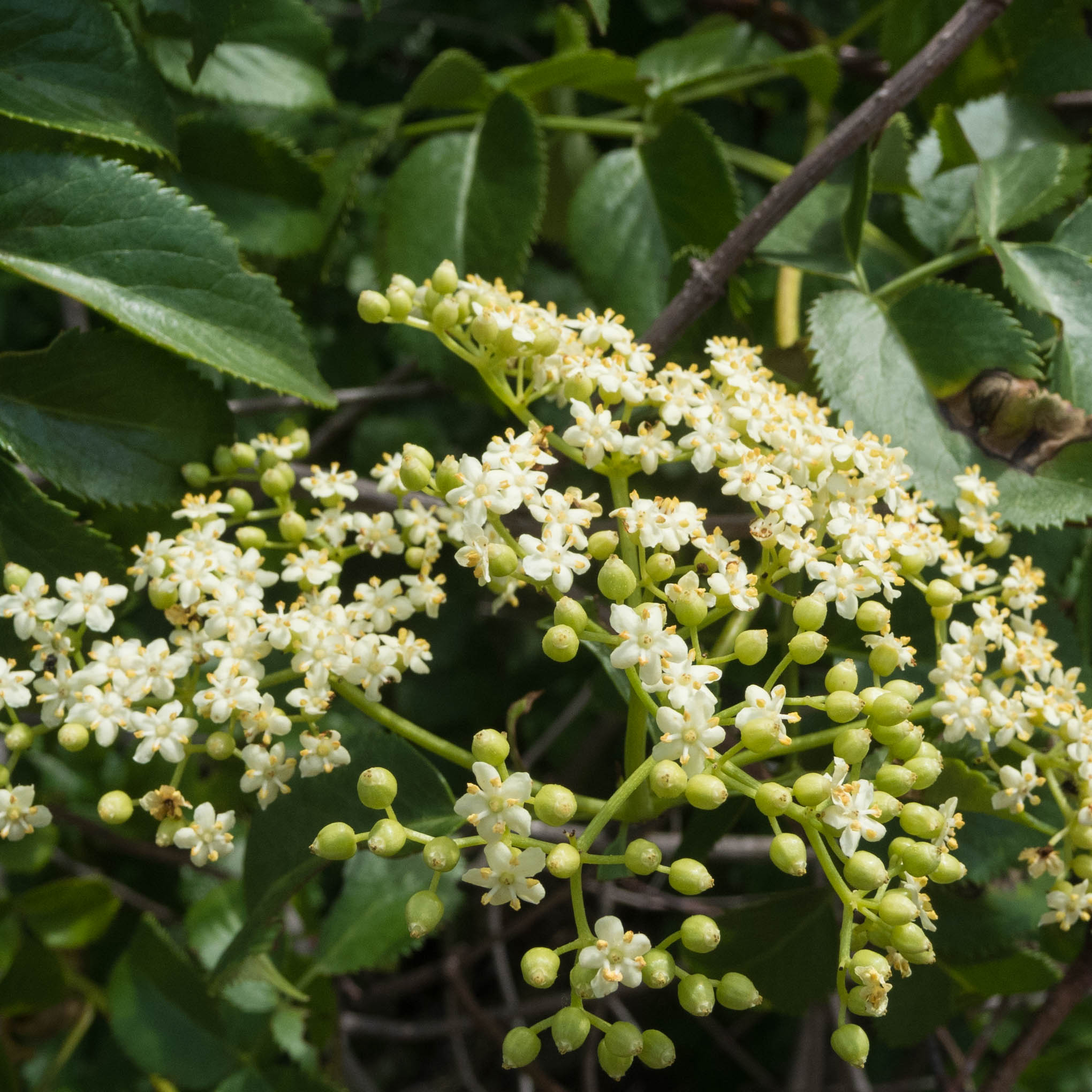
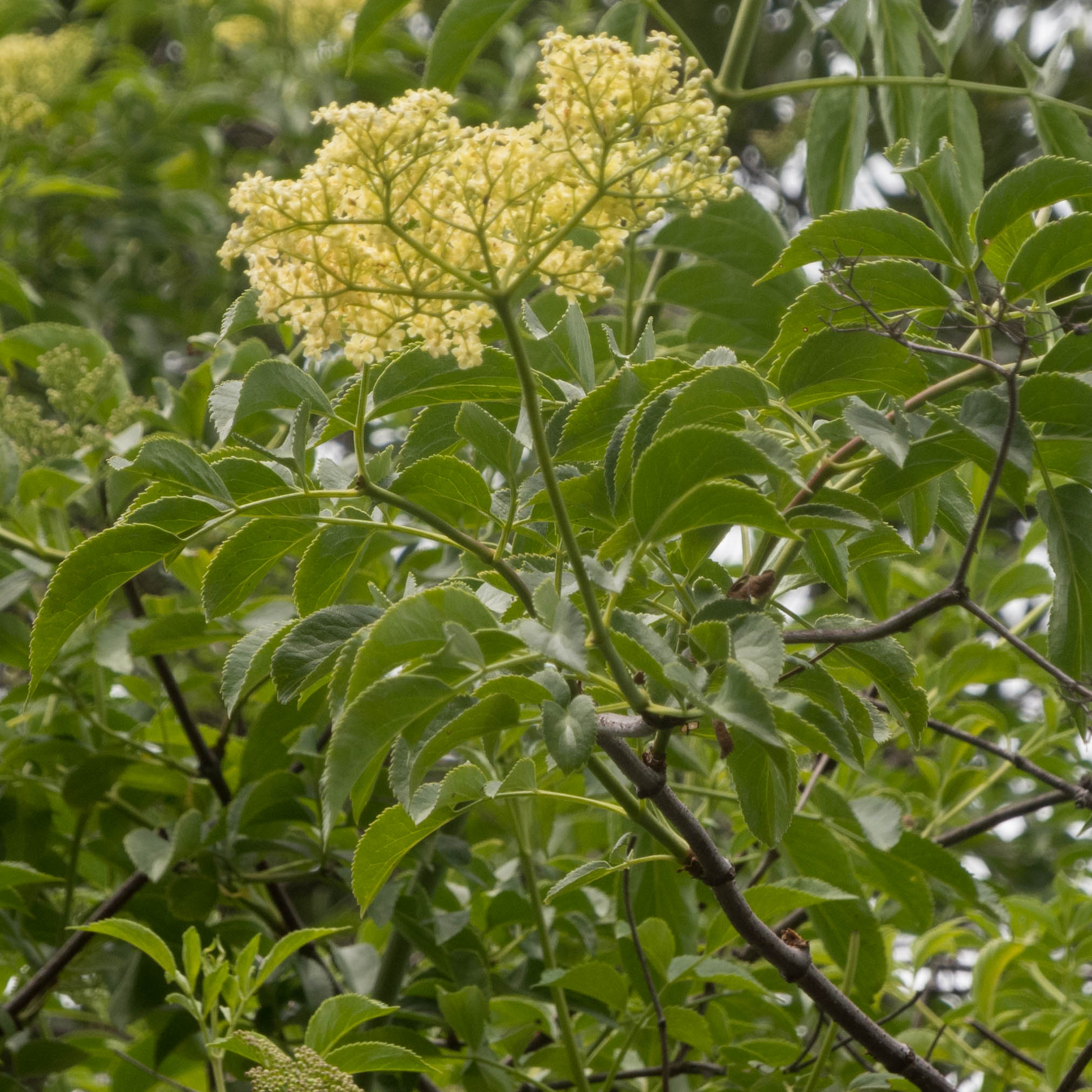
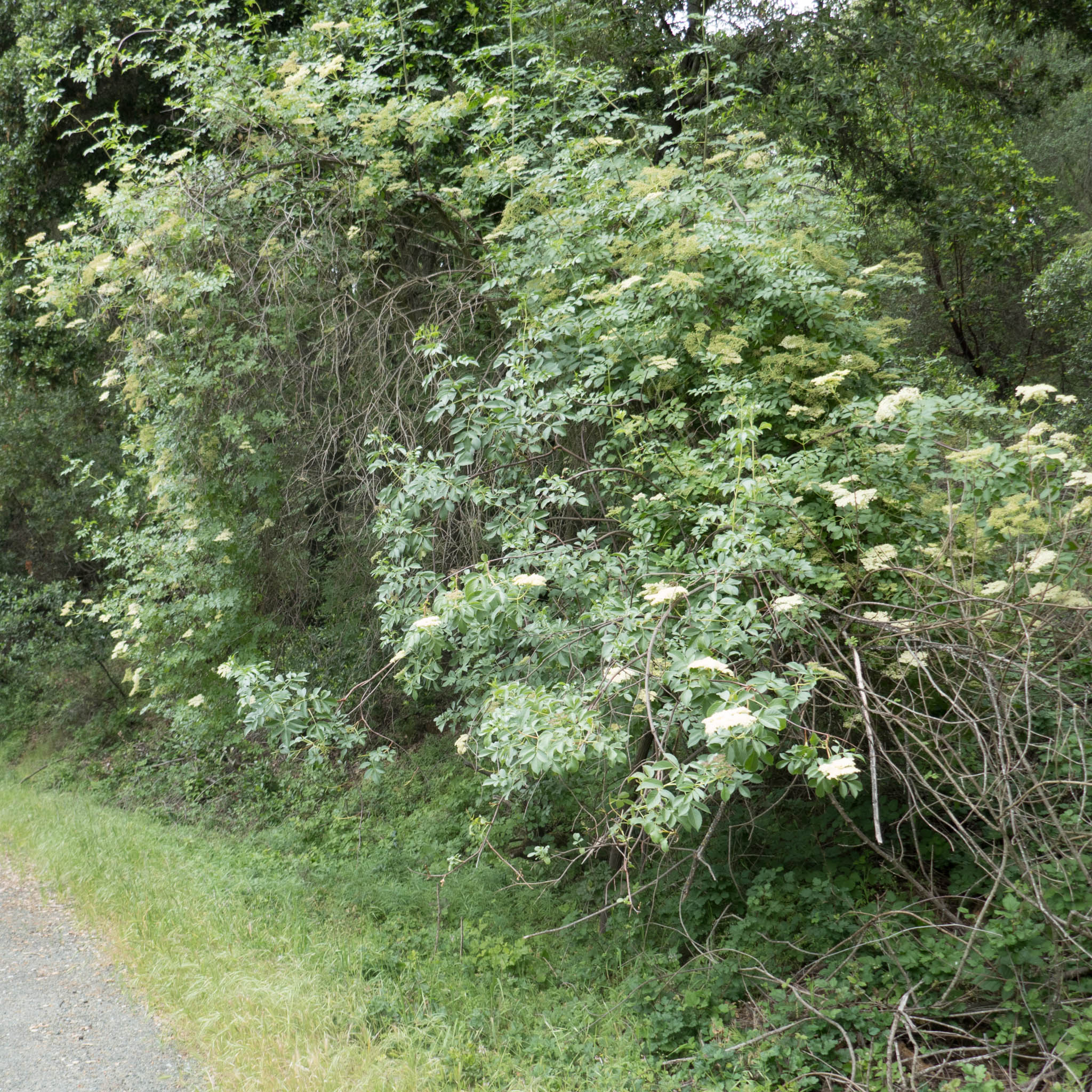
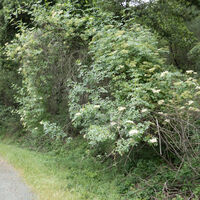
blue elder
Sambucus cerulea
Member of
elders (genus Sambucus)
elder family (family Viburnaceae)
dicots (class Magnoliopsida)
yellow, cream, white in flowering plants
There are no wild members of this species in California.
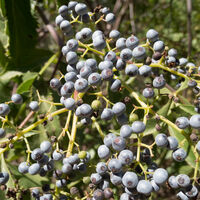
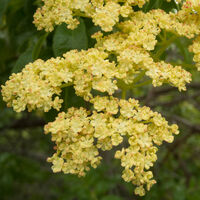
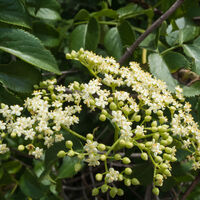
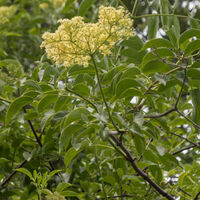
Toxicity:
all but ripe berries of sambucus (Sambucus caerulea):
3 – Ingestion of these plants is expected to cause nausea, vomiting, diarrhea and other symptoms that may cause illness but is not life-threatening.
Chris’s observations: 86 (70 are research grade)
Locations:
- Almaden Quicksilver CP: 8
- Calero CP: 7
- Santa Teresa CP: 7
- Sunol Wilderness RP: 6
- Stevens Creek CP: 5
- Henry Coe SP: 4
- Joseph D. Grant CP: 4
- Alum Rock Park, San Jose: 3
- Coyote Lake / Harvey Bear Ranch CP: 3
- Skyline Ridge OSP: 3
- Big Basin SP: 2
- Ed R. Levin CP: 2
- Edgewood County Park & Natural Preserve: 2
- Lexington Reservoir CP: 2
- Nisene Marks SP: 2
- Russian Ridge OSP: 2
- Sierra Vista OSP: 2
- Sweeney Ridge National Recreation Area: 2
- Andrew Molera SP
- Bay Trail
- Castle Rock SP
- Coal Creek OSP
- Desolation Wilderness
- Dimond Canyon Trail, Oakland
- Don Edwards National Wildlife Refuge
- Dr. Aurelia Reinhardt Redwood RP
- Henry Cowell Redwoods SP
- Hidden Villa, Los Altos Hills
- Huckleberry Botanic RP
- Kauai, HI
- Monte Bello OSP
- Pleasanton Ridge RP
- Rancho Cañada del Oro OSP
- Sam McDonald CP
- Sierra Azul; OSP
- Thornewood OSP
- Ulistac Natural Area, Santa Clara
- Wilder Ranch SP
Months:
- Mar.: 4
- Apr.: 21
- May: 24
- Jun.: 16
- Jul.: 9
- Aug.: 9
- Sep.: 3
For more details, use advanced search.
Not all sites agree about the scientific name:
Bay Area species:
iNaturalist
–
Calflora